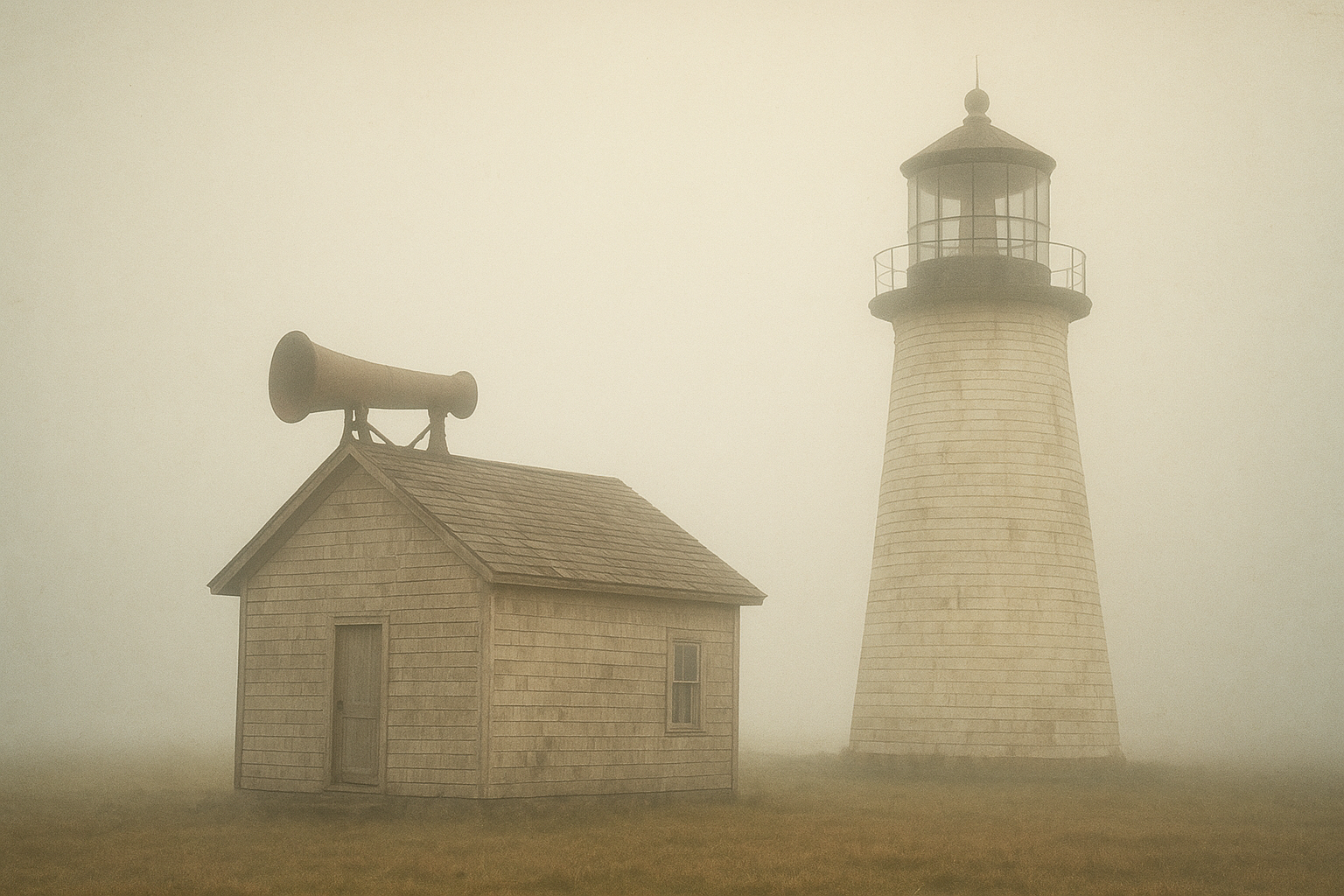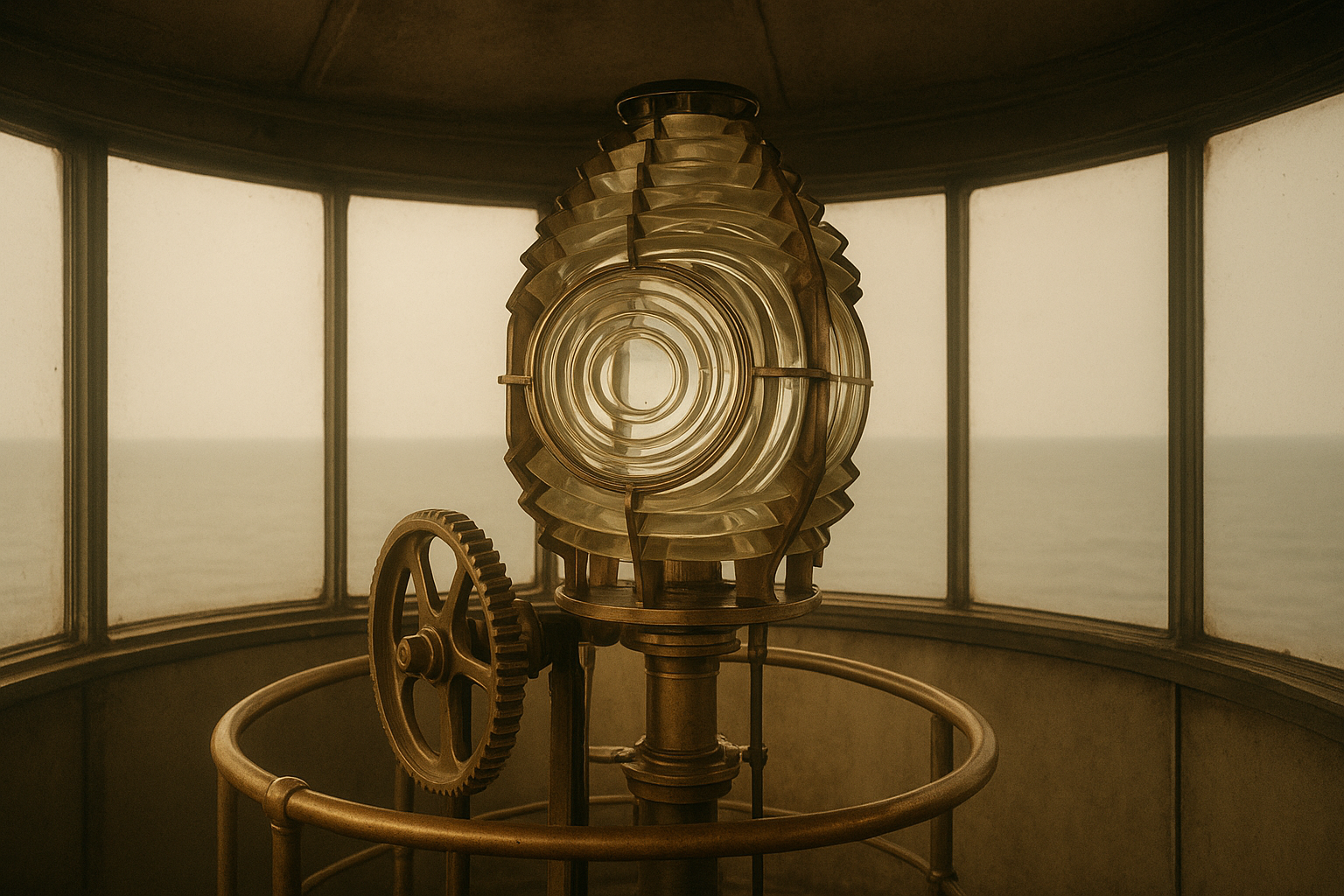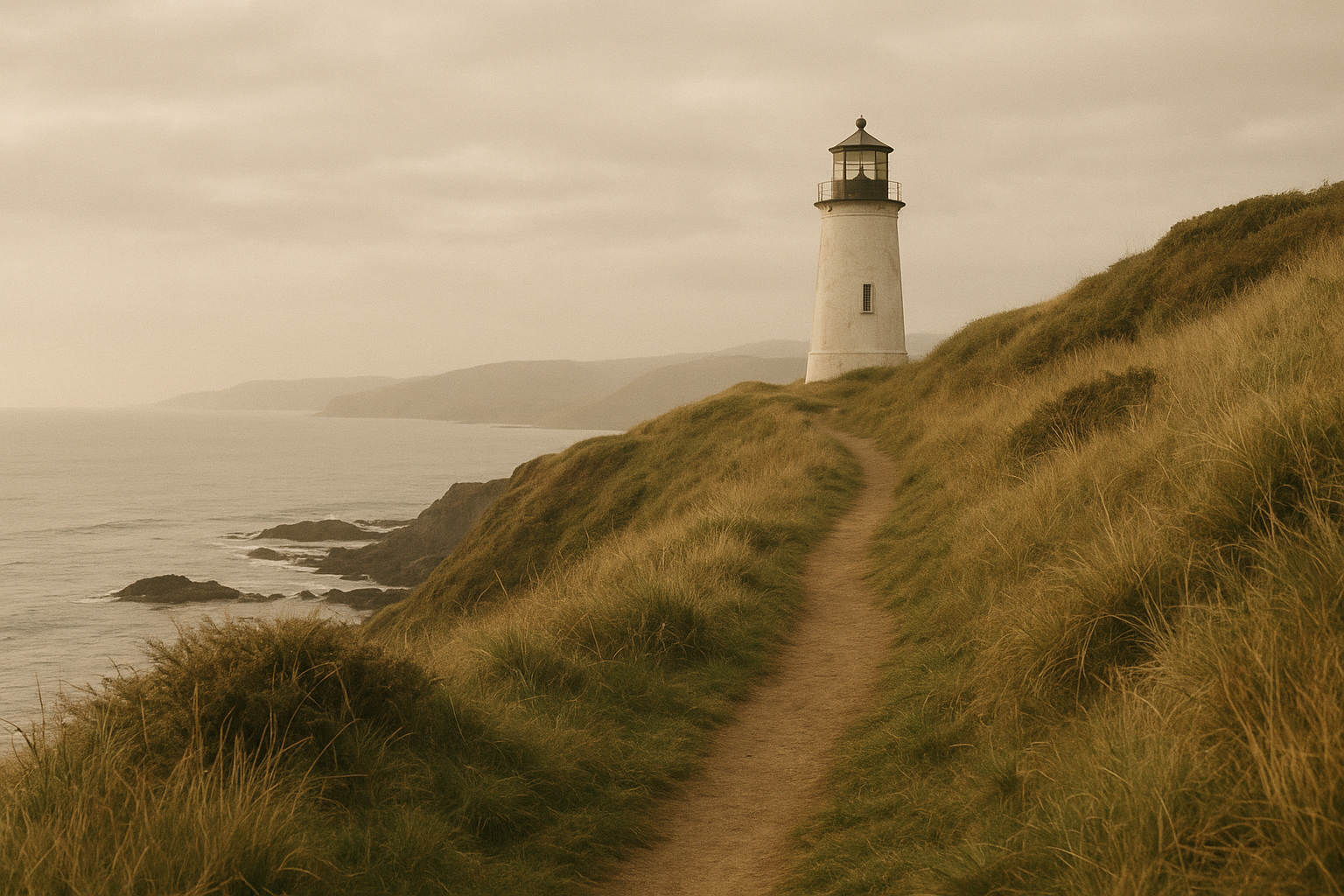
Signal and Safety: Before modern electronics, revolving lamps and fog warnings reduced wreck risk and gave captains fixed reference points in dangerous weather.
Northern Coast History
Why the Northern-Coast Lighthouses Mattered
Along fog-heavy channels and rocky approaches, lighthouse stations served as navigational lifelines that connected fishing harbors, mail routes, and coastal settlements.
Coastal Continuity: Keepers logged storms, tides, and ship traffic, leaving records that now anchor regional maritime research and preservation work.
Chronological scaffold
How the northern coast lights evolved
A concise editorial timeline tracing development, working life, and preservation across the coastline.
-
Early Beacon Traditions
Before formal towers dominated the coast, local mariners relied on modest shore lights and community watch points to guide night passages.
-
Rise of Permanent Towers
As shipping routes intensified, purpose-built masonry lights became enduring coastal markers, standardizing navigation along hazardous stretches.
-
Keeper Households and Coastal Routine
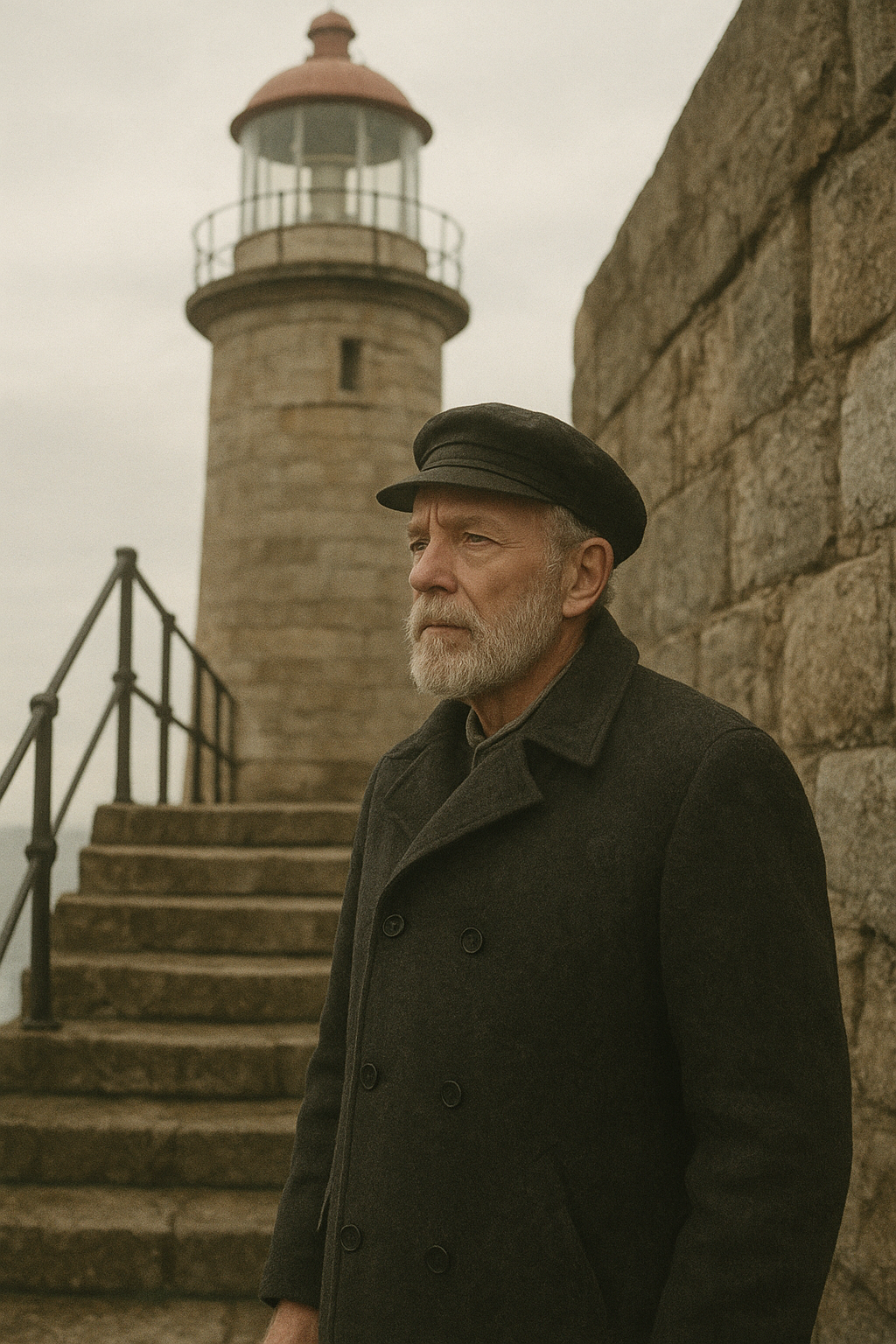
Lighthouses functioned as working homes, where keepers balanced technical duty with weather-worn daily life at the edge of sea and settlement.
-
Automation and Changing Service
New signaling technologies gradually reduced on-site staffing, shifting many stations from inhabited workplaces to remotely managed aids.
-
Preservation and Public Memory
Conservation groups, archives, and local visitors now sustain these towers as living landmarks, linking maritime heritage to present-day learning.
History Archive
A Visual Record of the Northern Coast
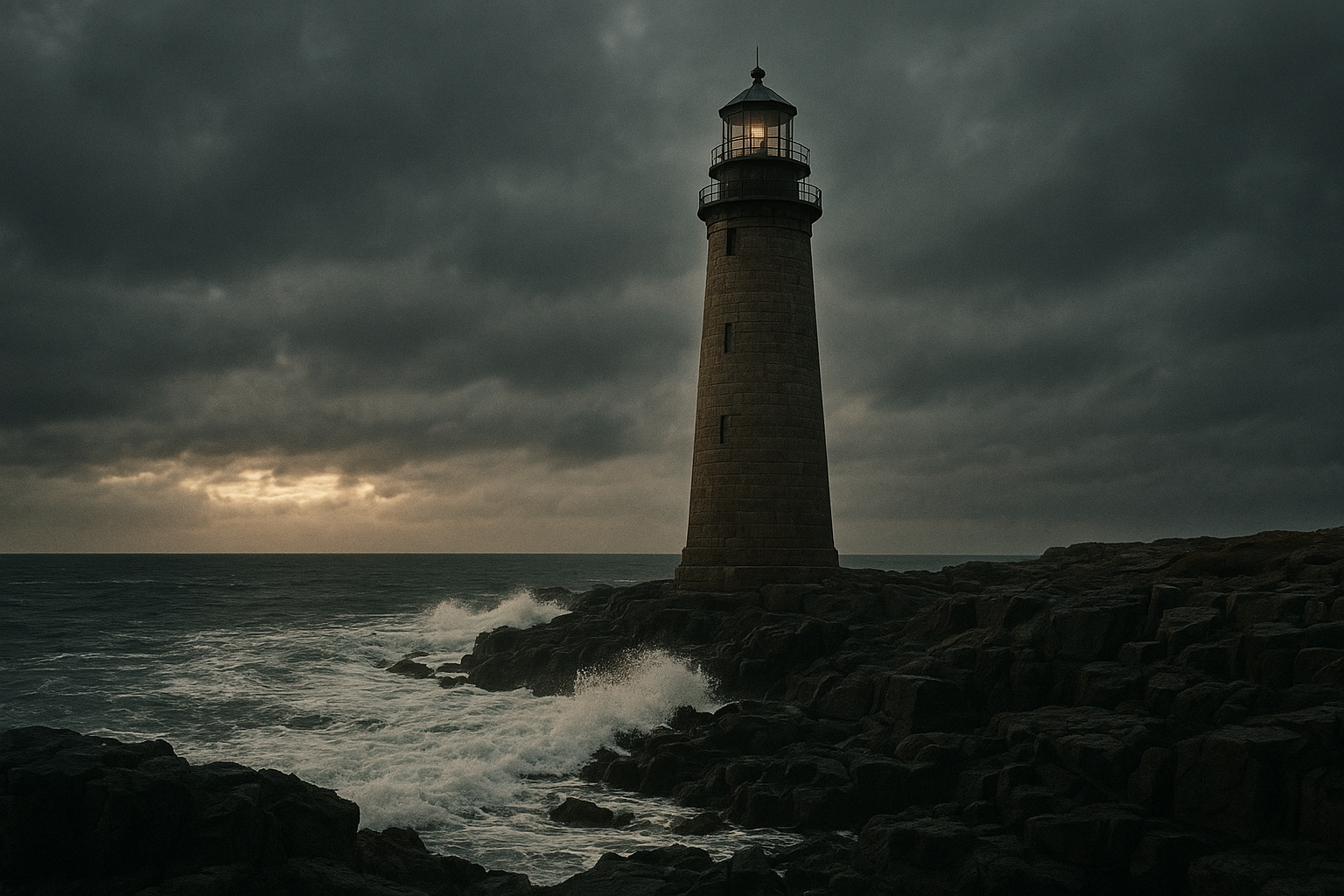
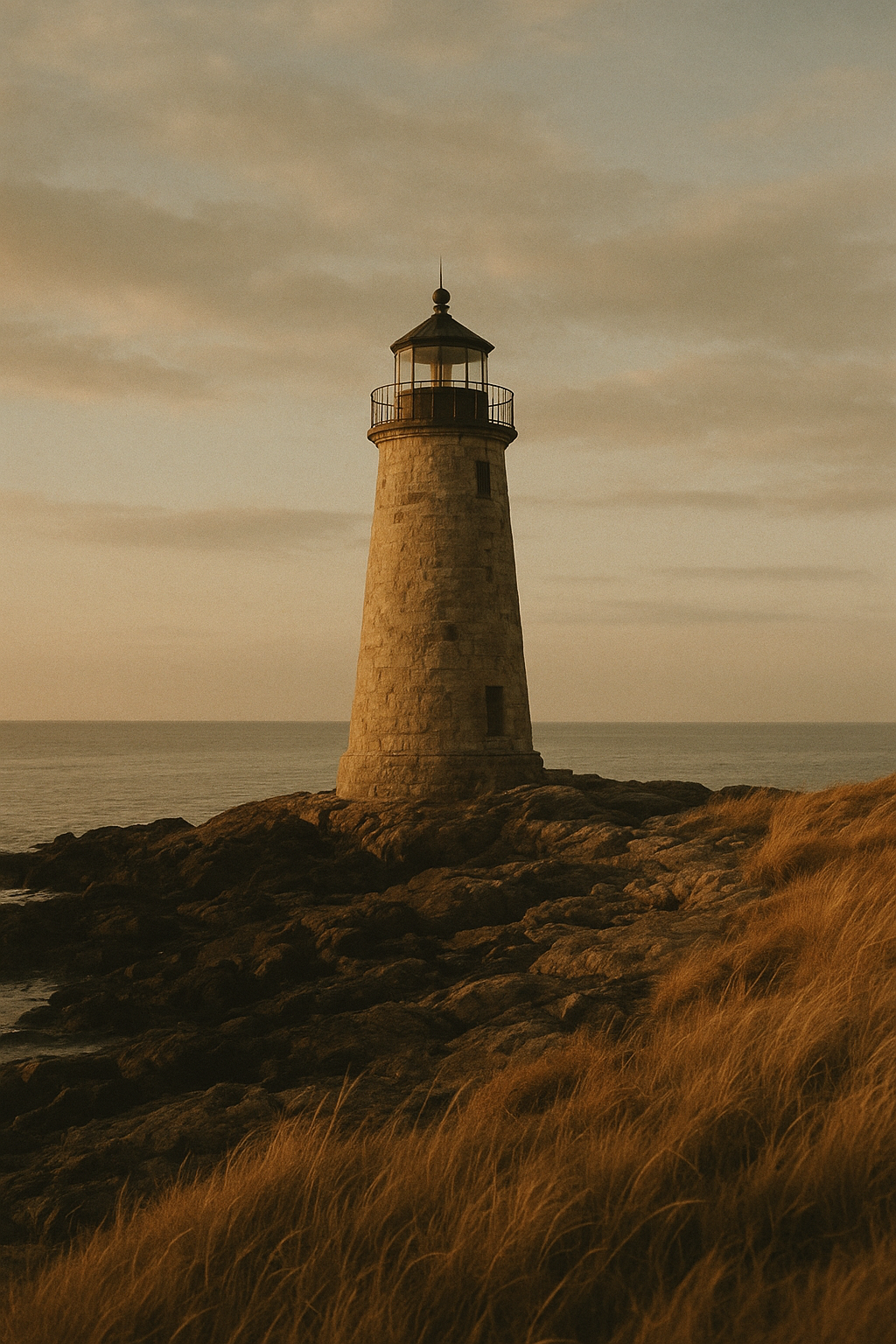
These frames gather weather, stone, and lantern light into a quiet editorial spread of preserved towers and working coastlines.